
PVDF vs Anodised vs Powder Coat: Coastal Window Finishes
Technical Guides · 2026/10/27 · 19 views
Choose aluminium window finishes by chloride exposure: AAMA 2605 PVDF for marine facades, AAMA 2604 powder inland, anodising above 20 microns elsewhere.
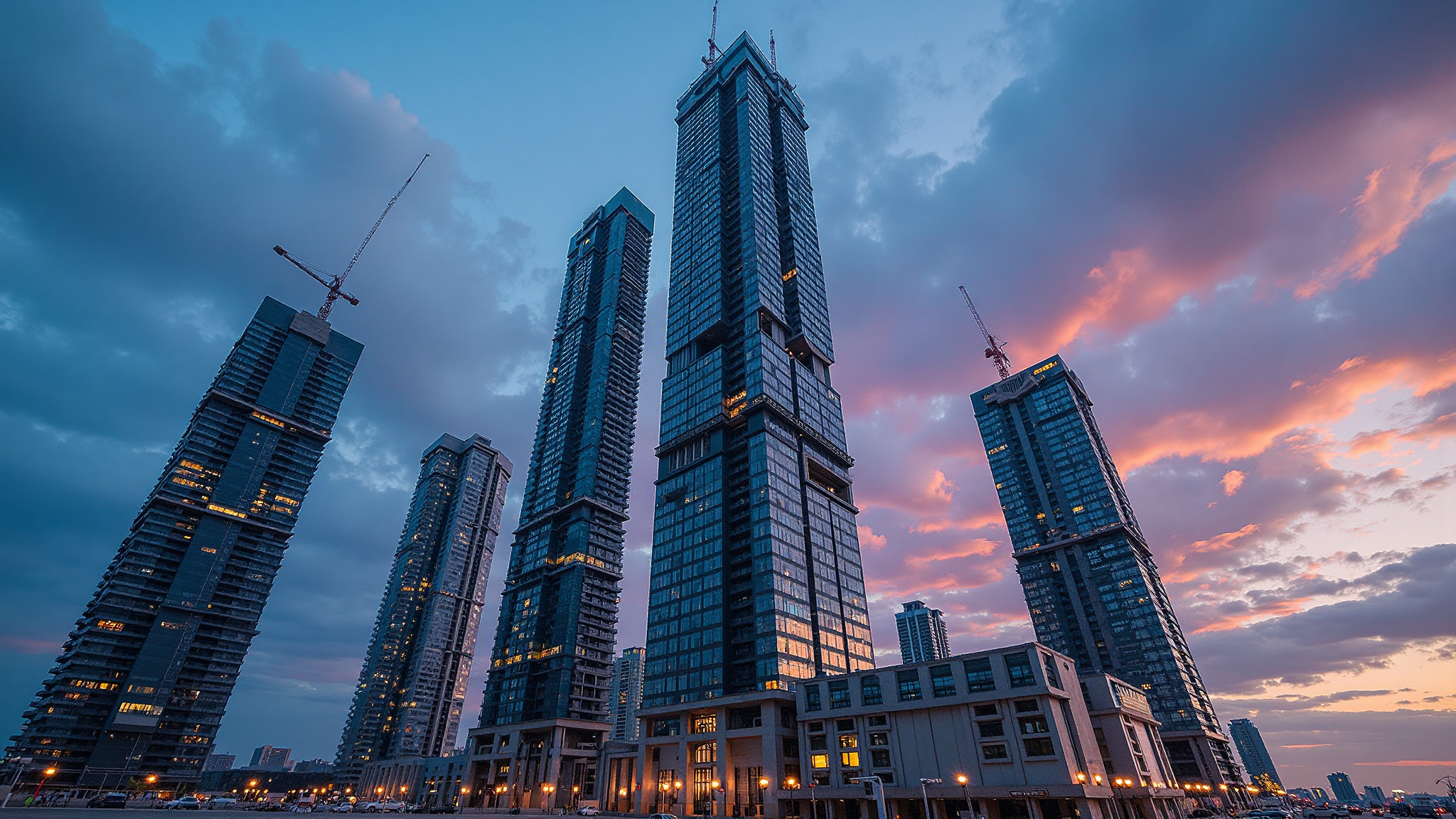
Short answer: For aluminium windows within about one kilometre of salt water, specify a 70% PVDF fluoropolymer coating qualified to AAMA 2605, with a minimum dry film thickness of 25 microns and a written finish warranty. Polyester powder to AAMA 2604 is defensible on sheltered elevations inland, and anodising above 20 microns suits inland projects, but neither should carry a marine façade on its own.
Key takeaways
- AAMA 2605 requires 4,000 hours of neutral salt spray and ten years of South Florida exposure; AAMA 2604 requires 1,500 hours and five years.
- Anodised aluminium is a conversion coating, not a barrier coating, so chloride pitting at cut edges and mitres is a real failure mode.
- Polyester powder meets AAMA 2604 at best; only fluoropolymer powder grades approach the AAMA 2605 performance band.
- Coating thickness measured on delivered units, not on the approval sample, is the only number that survives a warranty dispute.
- Dark colours raise surface temperature by 20 to 30 degrees Celsius, accelerating chalking and exaggerating thermal movement on long units.
What salt spray actually does to an aluminium window
Aluminium does not rust, which is why coastal projects sometimes treat it as maintenance-free. What happens instead is chloride-driven pitting. The metal relies on a self-healing oxide film roughly four nanometres thick, and airborne chloride breaks that film down locally. Where the film is interrupted, the alloy corrodes faster than the surrounding surface. The result is not a uniform stain but discrete pits where water stands: the bottom rail of a sliding sash, a sill upstand and every fixing hole.
Corrosion is governed by microclimate rather than by distance from the coast alone. ISO 9223 classifies atmospheric corrosivity from C1 to CX, and a surf-zone façade facing onshore wind sits in C5 or CX while a tower two streets back may be C4. Height matters too, since chloride deposition generally falls with altitude, so a thirtieth-floor elevation can be less aggressive than a podium receiving splash. Two elevations of one building can therefore justify two finishes.
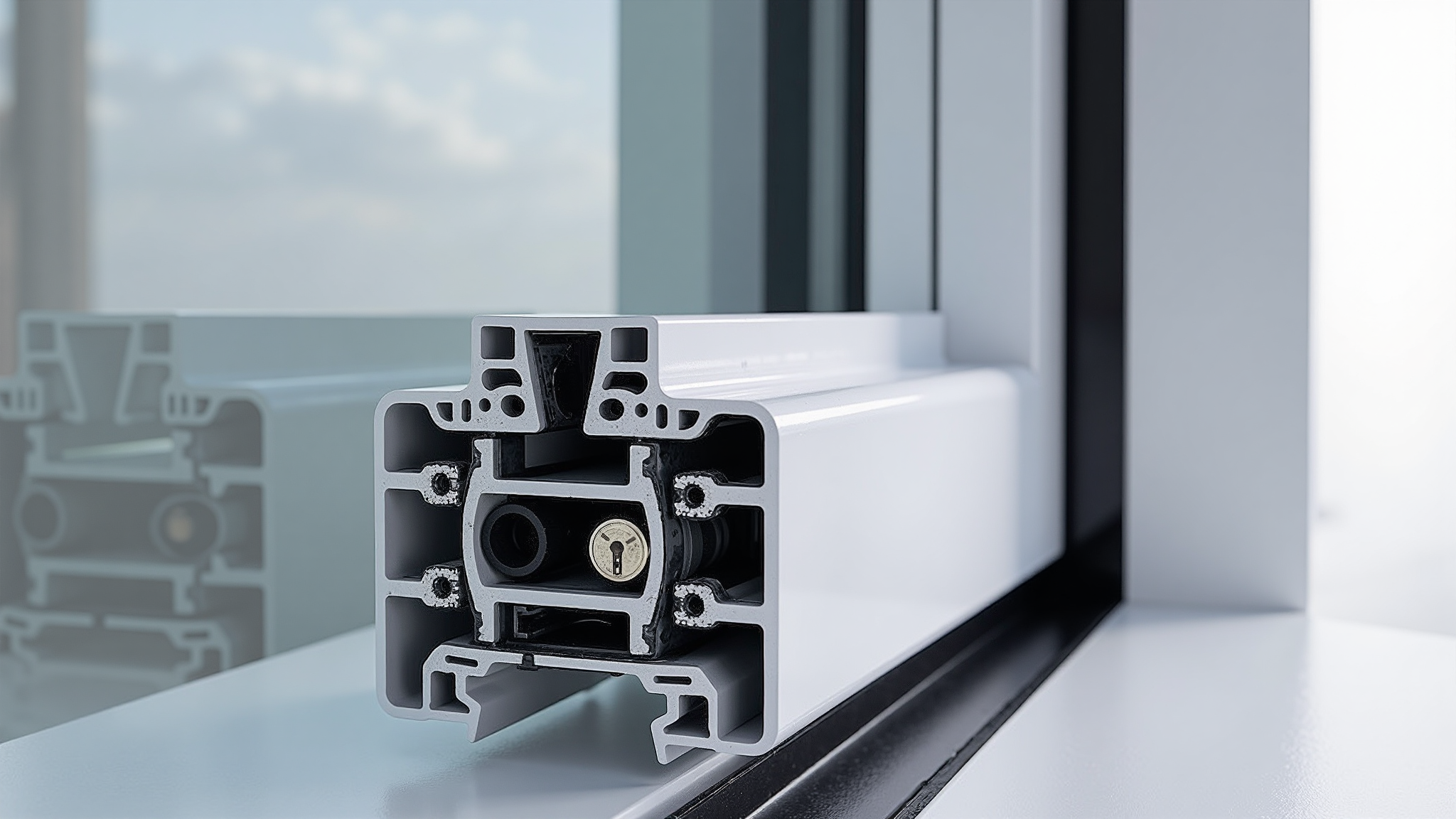
Figure 1: Profile drainage matters as much as coating chemistry.
The three finish families compared on evidence, not on marketing
Three chemistries dominate architectural aluminium: fluoropolymer dispersion coatings, powder coatings and anodising. They differ in what protects the metal, how thick that protection is, and what independent test evidence supports a service-life claim. Brochures quote application parameters while buyers need qualification data, so the table compares published performance criteria rather than sales language.
| Finish | Typical dry film thickness | Qualification evidence | Realistic coastal service | Best suited to |
|---|---|---|---|---|
| PVDF fluoropolymer, two-coat (primer plus colour) | 23 to 30 microns | AAMA 2605: 4,000 hours neutral salt spray, ten-year South Florida exposure | Fifteen to twenty years before recoating on C4 to C5 elevations | Beachfront and high-rise façades, colour retention |
| PVDF fluoropolymer, three-coat (primer, colour, clear) | 30 to 40 microns | AAMA 2605 with improved chalk and gloss retention | Twenty years or more on CX surf-zone elevations | Severe marine, dark colours, extended warranty |
| Super-durable polyester powder | 60 to 80 microns | AAMA 2604: 1,500 hours salt spray, five-year Florida exposure | Eight to twelve years on C3 to C4 elevations | Inland commercial, sheltered courtyards, volume work |
| Standard architectural powder | 60 to 80 microns | AAMA 2603: 500 hours salt spray, one-year Florida exposure | Three to six years where chloride is present | Interior partitions, inland low-rise |
| Anodised, AAMA 611 Class I | 18 microns and above | Seal quality and oxide integrity testing per AAMA 611 | Ten to fifteen years, with pitting risk at cut edges | Inland façades, interior hardware, metallic briefs |
Two conclusions follow. First, thickness is not a proxy for durability: a 70-micron polyester film is twice as thick as a 25-micron PVDF film and still fails earlier in chloride, because thickness slows diffusion while resin chemistry resists ultraviolet and hydrolysis. Second, only the PVDF rows reach the salt spray duration coastal specifications ask for.
Reading AAMA, Qualicoat and AS test data without being misled
The AAMA 2603, 2604 and 2605 designations are the shortest reliable shorthand in North America and much of the export market, because each binds a chemistry class to a defined exposure duration. A 2605 certificate states that a specimen survived 4,000 hours of neutral salt fog under ASTM B117 and retained gloss and colour after ten years of 45-degree South Florida exposure. European equivalents run through Qualicoat classes and EN 12206-1, published by CEN-CENELEC, which governs architectural coating of aluminium. Australia states its requirements in AS 3715, available through Standards Australia.
Salt spray hours are a screening tool, not a service-life clock. The test exposes a panel to continuous fog of five per cent sodium chloride at 35 degrees Celsius, far more aggressive than any real façade, and reproduces neither wetting and drying cycles nor ultraviolet radiation. A coating reaching 4,000 hours is not thereby guaranteed twenty years; the Florida natural exposure programmes are what correlate with field performance.
Three details disqualify a report in practice. The specimen may be a flat panel rather than the actual extrusion, so it says nothing about adhesion over a sharp arris or inside a drainage channel. The report may cover a colour other than the one specified. And the certificate may belong to a powder manufacturer rather than the applicator, whose pretreatment line determines adhesion.
Where corrosion attacks first
Cut edges, mitred corners and field-cut openings have no coating unless the fabricator applies touch-up, and these are the initiation points for filiform corrosion, which appears as thread-like blisters creeping back from an exposed edge. Fixings follow the same logic: a zinc-plated screw in contact with aluminium forms a galvanic couple, and the aluminium becomes the anode. Specify A2 or A4 stainless fasteners, isolate dissimilar metals with nylon washers, and make touch-up a line item on the inspection report.

Figure 2: Hardware is the second corrosion front on a marine elevation.
Selecting finish by elevation rather than by project
A single finish across an entire building is administratively convenient and technically wasteful. The defensible method is to map corrosivity first, then assign a finish per exposure band. Balconies facing open water, podium levels receiving splash, parapet copings, louvre blades and any elevation in a prevailing onshore wind belong in the highest band. Recessed courtyards, shielded elevations and soffits belong in a lower one.
Wind-driven rain delivers chloride to surfaces that cleaning rain never reaches. Horizontal and upward-facing surfaces accumulate salt, which is why head flashings, projecting sills and louvre tops show breakdown before vertical mullions on the same façade. A 15-degree slope on a head flashing, a drip groove under a sill and a continuous drainage path in the frame reduce chloride retention more cheaply than upgrading coating chemistry across the whole building. Assigning finish by exposure band also leaves an auditable record at handover, because each band carries its own system reference and warranty term.
Specification clauses that survive a warranty claim
Finish clauses fail for a predictable reason: they name a product instead of a measurable outcome. "PVDF coating, colour to architect's selection" cannot be enforced, because it fixes neither resin content nor thickness nor evidence. Four clauses close that gap. State the resin system and minimum fluoropolymer mass fraction in the dry film. State minimum dry film thickness on the finished extrusion, with the measurement standard and sampling frequency. State the qualification standard by number and edition, and require the applicator's certificate rather than the coating supplier's. State the warranty term with its exclusions.
Measurement is where disputes are settled. Thickness is read with a magnetic gauge on flat areas, taken on the fabricated extrusion rather than the test panel. Most specifications require a minimum over 80 per cent of readings with no single reading below 80 per cent of nominal, so the sampling plan matters as much as the instrument. Colour and gloss are checked against a retained reference panel, stored indoors and signed by both parties at approval.

Figure 3: Thickness, resin and standard must appear together in the schedule.
Cost, lead time and order quantity
Finish is rarely the largest line in a fenestration quotation, but the spread between the cheapest and most durable option changes a budget. Against a standard powder baseline, super-durable polyester adds a modest premium, anodising is broadly comparable on simple profiles, and three-coat PVDF on a bespoke colour adds a meaningful percentage before minimum batch quantities. The correct comparison is cost per year of service, not price per square metre.
Lead time follows the same logic. Standard colours in a stocked powder or anodising shade ship fastest, while a custom RAL match requires a batch, and small projects absorb a minimum order quantity that makes a bespoke colour uneconomic at fifty units. Where a project mixes exposed and sheltered elevations, a standard colour on the sheltered band and a bespoke colour only on the podium preserves design intent at lower total cost. The thermal break aluminium awning window range shows how system, glazing and finish combine in one quotation line.
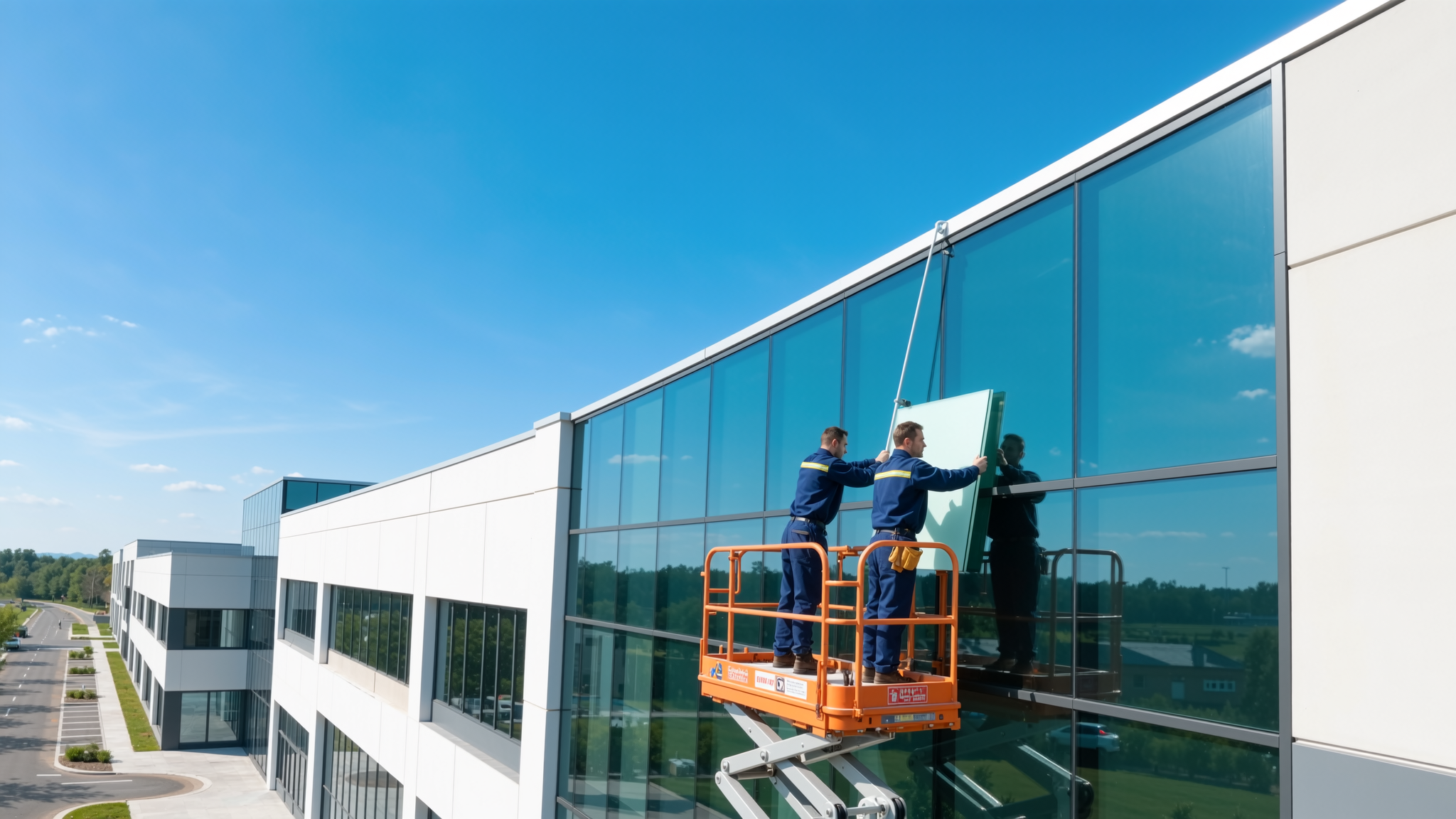
Figure 4: Site handling creates the first corrosion sites at sling contact.
Frequently asked questions
Which finish should I specify for a building within 500 metres of the sea?
Specify a 70 per cent PVDF coating qualified to AAMA 2605 at a minimum of 25 microns dry film thickness, and prefer a three-coat system if the colour is dark or the warranty expectation exceeds fifteen years. Confirm the applicator holds its own qualification for that colour. A 500-metre setback with onshore wind falls into ISO 9223 category C5.
How many hours of salt spray testing should I require?
Match duration to exposure band rather than choosing the largest number available. AAMA 2605 at 4,000 hours suits C5 and CX marine elevations, AAMA 2604 at 1,500 hours suits C3 and C4 inland, and AAMA 2603 at 500 hours is adequate only where chloride is negligible. Requiring 4,000 hours inland adds cost without service life.
Is anodising unsuitable near the coast?
Not unsuitable, but less forgiving. Anodising converts the surface into an oxide layer 18 to 25 microns thick and depends on pore sealing, so seal quality decides performance. Chloride attacks the layer at cut edges and mechanical damage, producing localised pitting that cannot be polished out. Inland façades, interiors and hardware remain an excellent application.
Do dark colours fade or chalk faster on a coastal façade?
They degrade differently rather than simply faster. Dark surfaces absorb more solar radiation and run 20 to 30 degrees Celsius hotter, accelerating chalking and raising thermal expansion on long units, which adds to oil-canning risk on flat panels. Ceramic and infrared-reflective pigments reduce both effects. A dark colour in three-coat PVDF is more defensible than standard polyester powder.
How do I verify coating thickness on delivered units?
Use a calibrated magnetic or eddy-current gauge on flat surfaces away from edges, taking readings on the finished extrusion rather than a test panel. Record at least five readings per unit across mullion, transom and sash, and reject any unit where one reading falls below 80 per cent of nominal.
What finish warranty is realistic, and what voids it?
Two-coat PVDF on an AAMA 2605 basis typically supports a twenty-year finish warranty, three-coat up to thirty, super-durable powder around ten, and anodising ten to fifteen. Warranties are commonly voided by abrasive cleaning, by cement residue during construction, by unsealed cut edges, and by chlorine from pool plant rooms. Record the cleaning regime in the handover manual.
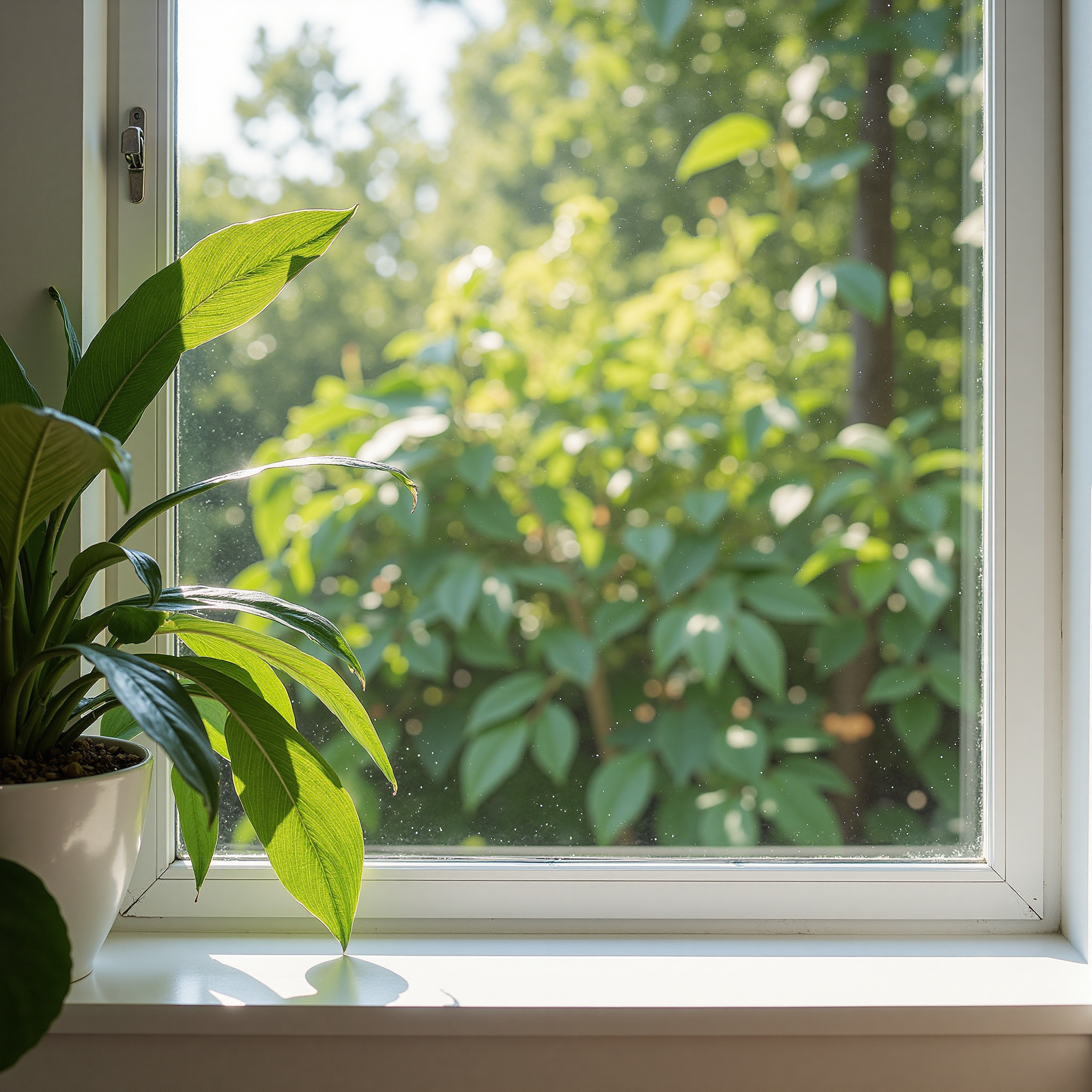
Figure 5: A uniform finish at handover reflects pretreatment and thickness control.
To convert a finish specification into a priced, warranted scope, send the window schedule, elevation drawings in CAD DWG or PDF, and the corrosivity category for each façade to karen@oppgates.com. OPPGATE returns a technical quotation within 24 to 48 hours with the qualified coating system, measured film thickness and warranty term stated per elevation. The coastal and hurricane-zone fenestration package shows how finish, glazing and pressure class combine, the certification portfolio lists qualifications per product family, and the buyer's specification guide covers the remaining inputs.