
STC vs Rw: Acoustic Glazing Ratings Explained
Technical Guides · 2026/10/30 · 12 views
STC and Rw rate the same laboratory test. How glazing make-up, cavity width, lamination and frame seals set the rating, and how to specify Rw + Ctr for traffic noise.
Short answer: STC and Rw are two rating scales applied to the same laboratory measurement of sound transmission loss. STC comes from ASTM E90 and E413, Rw from ISO 10140 and ISO 717-1, and the numbers sit close together but are not interchangeable. Specify Rw with its Ctr term for traffic noise, then choose the glazing, frame and seals that deliver it.
Key takeaways
- STC and Rw rate the same test: laboratory transmission loss measured in one-third-octave bands against a reference contour.
- Mass and a wide sealed cavity raise the rating; a 6 dB gain needs roughly double the surface mass.
- An acoustic laminated interlayer beats monolithic glass of equal mass in the 1,000 to 3,150 Hz traffic band.
- Sliding and louvred units lose 3 to 6 dB against compression-sealed casements because the perimeter seal leaks.
- A trickle vent, an unsealed reveal or a bridged gap overrides the glass rating, so the weakest path sets the result.
STC and Rw rate the same laboratory measurement
Both numbers begin with the same experiment. A specimen is mounted between a source room and a receiving room, broadband noise is played, and the level difference is corrected for reverberation and specimen area to give transmission loss in each one-third-octave band. The output is a curve; a rating compares it to a reference contour.
ASTM E90 defines the measurement and ASTM E413 the Sound Transmission Class contour. ISO 10140 defines the European measurement and ISO 717-1 the weighted rating Rw. The contours differ in band set: STC is evaluated from 125 Hz to 4,000 Hz, Rw from 100 Hz to 3,150 Hz. That difference matters because traffic rumble sits partly outside the STC range.
In practice a build-up rated Rw 38 usually reports STC within one or two decibels, but divergence of three to five is normal where low-frequency performance is strong and high-frequency weak, or the reverse. Ask for the measurement standard, the band data and the rating standard, and reject a sheet quoting a single number without them. The method is published by ASTM International.
What sets the rating: mass, cavity and lamination
Sound insulation is governed by mass, decoupling and damping. The mass law predicts about 6 dB per doubling of surface mass, and real assemblies deliver four to five because fixing and perimeter effects absorb the rest. A 6 mm pane lands near Rw 30 and a 10 mm pane near Rw 34, so thickness alone is an expensive way to buy performance.
Double glazing inserts a compliant air layer. A 12 to 16 mm cavity decouples the panes and lifts the assembly beyond the sum of its parts, but the mass-air-mass resonance dips the curve, usually between 160 Hz and 315 Hz. Wider cavities push the dip lower; narrower cavities push it into the speech band.
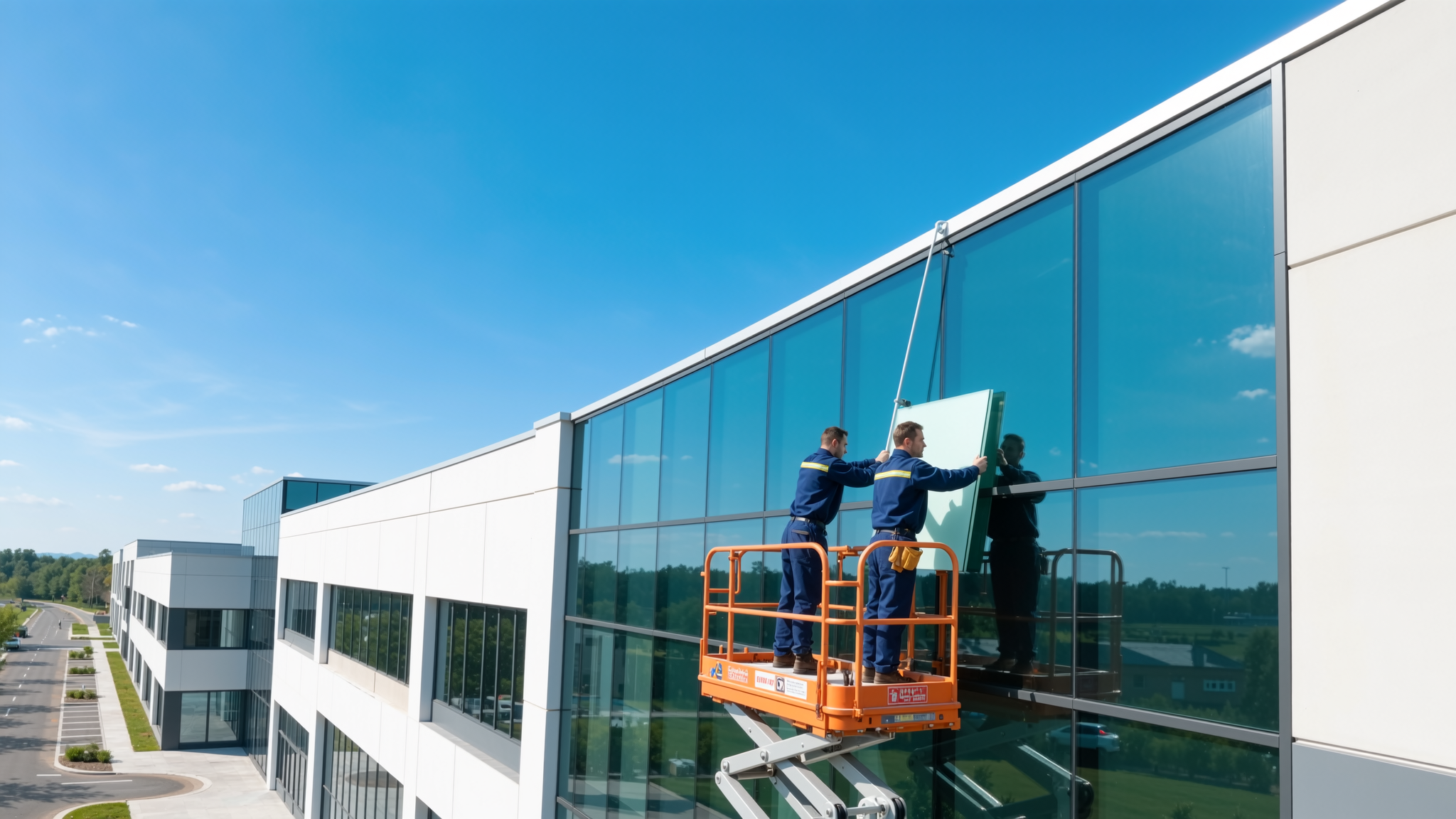
Figure 1: Large glazed units are set as complete assemblies, because the interlayer and cavity are what earn the rating.
Lamination is the third lever. An acoustic-grade polyvinyl butyral interlayer damps the coincidence dip that monolithic glass shows near 2,500 Hz. Two laminated panes of unequal thickness around a 16 mm cavity reach high ratings without absurd weight, because unequal panes cannot resonate together.
| Glazing make-up | Typical Rw / STC | Material basis | Best-suited application |
|---|---|---|---|
| 6 mm monolithic float | Rw 30 / STC 30 | Single pane, mass only | Internal screens away from traffic |
| 6 - 12 - 6 double glazed, air | Rw 32 to 34 / STC 33 | Two panes, 12 mm sealed cavity | Residential units set back from arterial roads |
| 6 - 16 - 6.38 with acoustic PVB | Rw 38 to 40 / STC 38 | Laminated pane, argon fill | City apartments, hotels and schools near main roads |
| 8.8 - 16 - 6 asymmetric, both laminated | Rw 43 to 45 / STC 43 | Unequal laminated panes, wide cavity | Rail-adjacent facades, hospitals, city-centre hotels |
| 12.8 - 20 - 8.8 triple, two interlayers | Rw 47 to 50 / STC 47 | Triple laminated, deep frame | Airport perimeter, studios, noise-sensitive laboratories |
These are laboratory figures for the glass alone in a fixed, well-sealed frame. OPPGATE publishes STC 38 to 48 dB for its assembled systems, which measure glazing, frame chambers and gasket line together.
The frame, gasket and opening type cost more than the glass
Glazing is half the assembly; a window is a perimeter joint as much as a pane, and most installed shortfalls trace to the frame. A fixed unit outperforms an operable unit of identical glazing by three to five decibels, and a compression-sealed casement or tilt-turn outperforms a sliding unit by a similar margin.
The mechanism is the seal. A casement closes onto a continuous gasket compressed by the locking points, giving an almost airtight line at head, sill and jambs. A sliding sash cannot compress a gasket along its travel, so it relies on brush seals and an overlapping interlock that leak at the corners and at the track. Multi-point locking raises a compression-sealed unit further by making gasket compression uniform rather than concentrated near the handle.
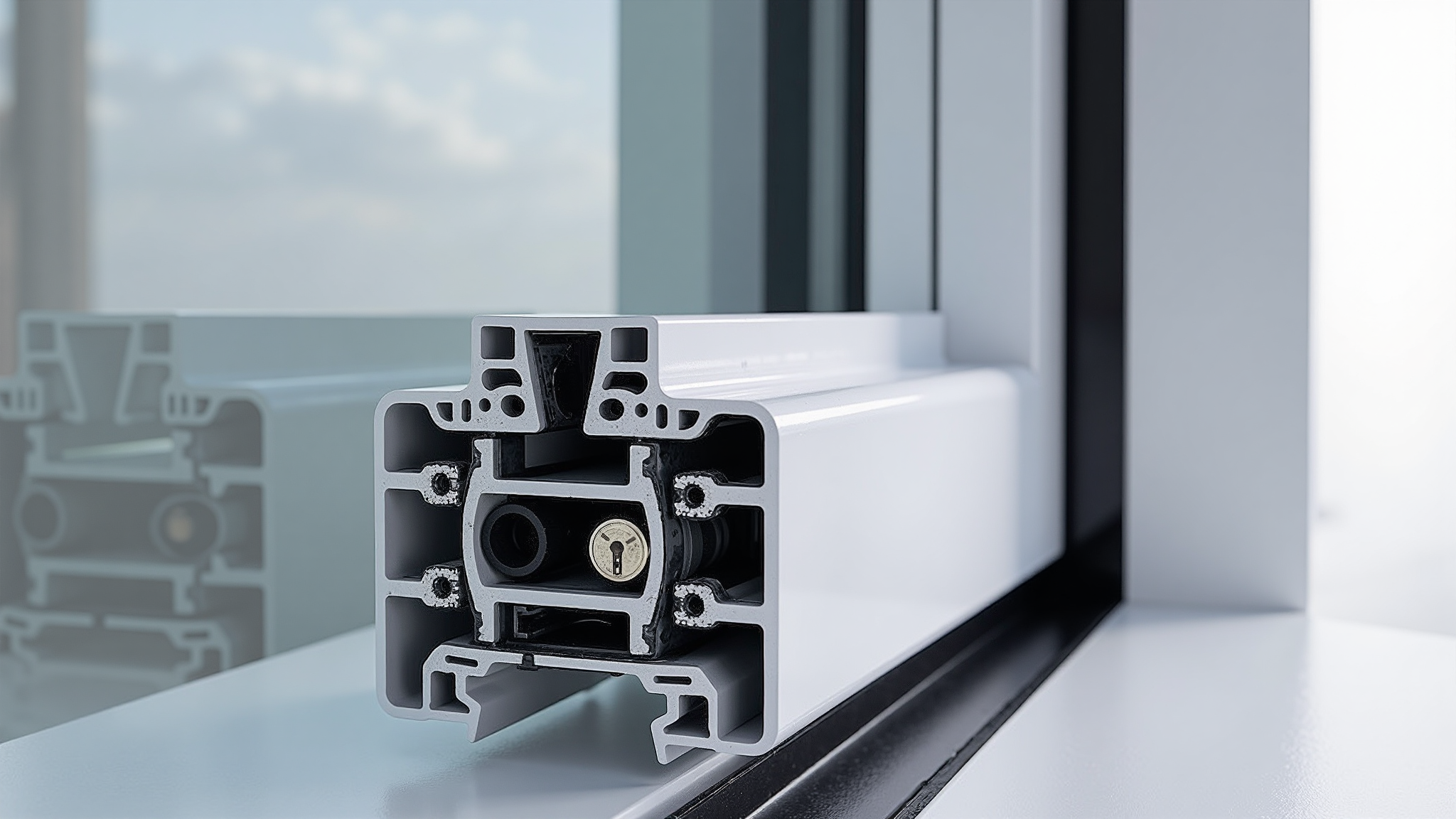
Figure 2: Multi-chamber profiles seal in two stages, and the inner gasket line must run unbroken around the whole perimeter.
Frame depth matters as well: a deeper profile carries a wider rebate and holds the glass further from the inner face, which reduces edge flanking. Unsealed drainage slots, handle spindles and site-drilled penetrations create leaks a laboratory specimen never had. State the opening type beside the acoustic target; the same glass in a fixed light and in a slider are different products acoustically.
Turning a site noise survey into a required Rw
An acoustic target should be derived, not guessed. Start with the external level at the facade as an equivalent continuous level rather than a peak, subtract the internal design level for the room type, and add a margin for survey uncertainty and the laboratory-to-field gap.
A worked example: a bedroom facing a six-lane road reads 72 dB LAeq, the internal criterion is 35 dB, and the margin is 5 dB, so the required field reduction is 37 dB. Field performance typically falls three to five decibels below laboratory figures, so the specified laboratory Rw needs to be near 42, which points to an asymmetric laminated unit rather than a standard sealed unit.
Why the Ctr term decides traffic noise
Rw averages across the spectrum and hides the low-frequency weakness that road and rail noise exploit. The Ctr term applies a negative correction that penalises assemblies weak between 100 Hz and 500 Hz, so a unit rated Rw 40 with Ctr of minus 5 performs as Rw + Ctr 35 where traffic dominates. Two assemblies with identical Rw can differ by four decibels once Ctr applies, the difference between a compliant bedroom and a complaint. Specify Rw + Ctr, cite ISO 717-1 through CEN-CENELEC, and require band data so the correction can be checked.
Specifying, submitting and verifying acoustic performance
A test report is evidence only if it describes the thing being bought. Four items belong on the same page: specimen size and glazing make-up including interlayer type, opening type and gasket arrangement, measurement and rating standards, and the laboratory's accreditation. A report for a fixed light does not cover an operable sash of the same glass, and a small specimen does not cover a 2.4 metre unit.

Figure 3: The acoustic rating belongs on the schedule line, next to the glazing make-up it was tested with.
Field verification uses a different method. ASTM E336 and ISO 16283-1 measure the installed assembly and correct for room absorption and background noise. Australian projects reference the laboratory method through Standards Australia, where accepting a field result a few decibels below the laboratory figure is normal provided the difference is agreed before testing.
Three controls close the gap: a pre-production sample assessed before release, gasket continuity inspected at the closing edge on arrival, and a field test scope agreed in contract covering rooms, conditions, tolerance and retest cost. A specification without a verification clause is a preference.
Where acoustic specifications fail on site
The most expensive mistake is specifying good glass and then puncturing the assembly. A trickle vent cut into the frame is an intentional hole in the acoustic envelope, and one unattenuated vent can cost more than ten decibels regardless of the glass behind it. Where ventilation is mandatory the vent must be rated and its performance deducted from the total.
Flanking is the second failure and the least visible. Sound travels around a window through a ceiling plenum, a drywall head detail, an unsealed reveal or a service penetration, so the window can meet its rating while the room does not. On refurbishment the existing wall governs, so record wall construction as well as the opening. Third, installation tolerance: a frame packed hard at one corner cancels the gasket line.
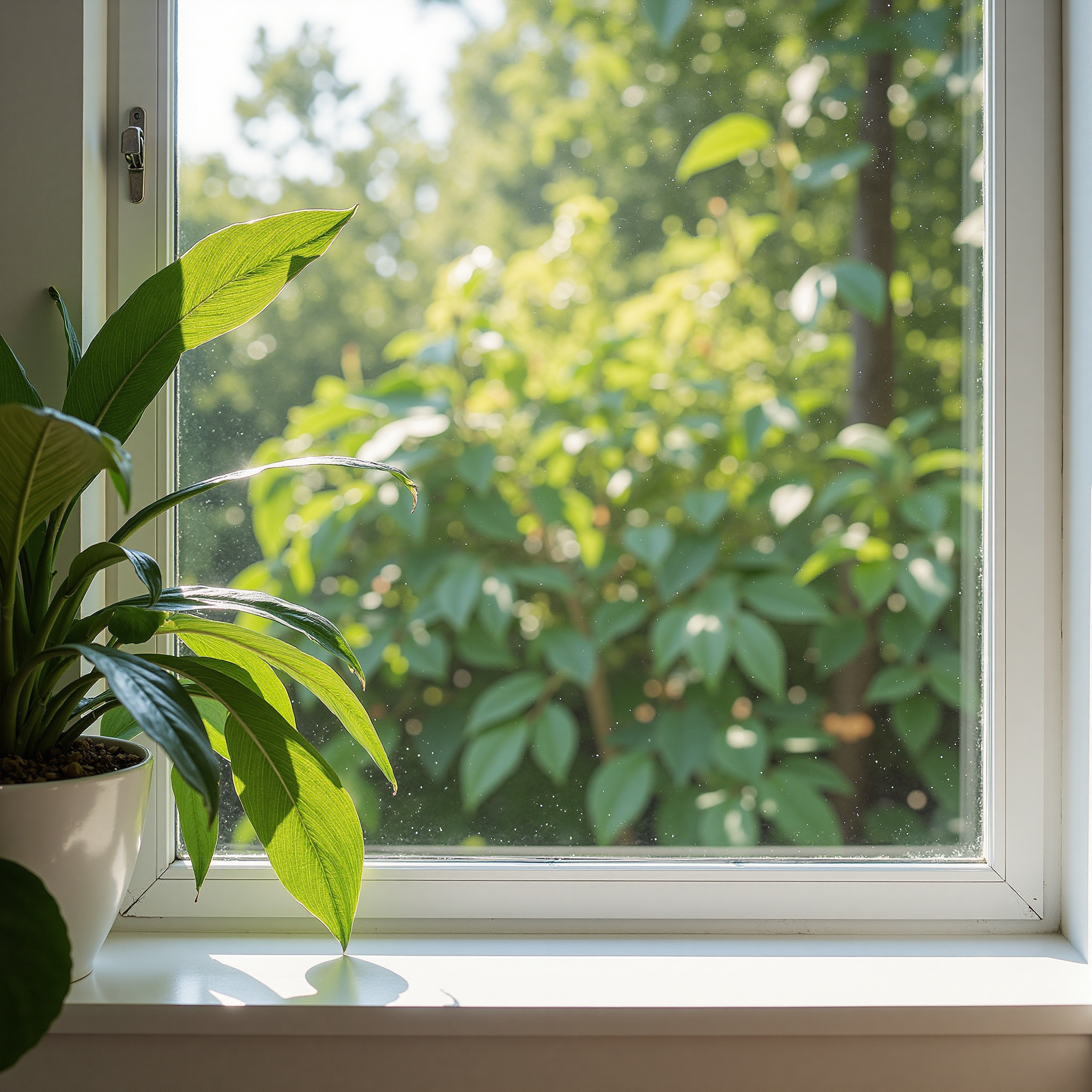
Figure 4: A completed compression-sealed casement, where the acoustic result depends on an uninterrupted gasket rather than the pane alone.
The last failure is commercial. Buyers accept double glazed as a performance specification and find at commissioning it spans Rw 28 to Rw 45. Upgrade glass, frame and seals together, and name the rating, the term, the opening type and the test standard in the schedule.
Frequently asked questions
Can an STC rating be converted directly into Rw?
No, not reliably. The ratings use different band sets and contours, so any conversion is approximate. Ordinary double and laminated build-ups land within one or two decibels, but assemblies strong at low frequency can diverge by three to five. Ask for band data rated under your project standard.
Does triple glazing always outperform double glazing acoustically?
No. A well-designed asymmetric double unit with an acoustic interlayer routinely beats a cheap triple unit with equal panes and narrow cavities. Triple glazing wins when cavities are wide, panes unequal in thickness and at least one interlayer acoustic grade. A third pane also adds mass and depth, changing hardware and cost.
How much does a trickle vent reduce the acoustic rating?
It depends on the vent, but the loss is large. An unattenuated slot can cost more than ten decibels, while an acoustically rated vent with baffles and absorptive lining may cost three to five. The vent must be rated with the window as a system.
What is the difference between Rw and Rw + Ctr?
Rw averages performance across the spectrum; Rw + Ctr applies a correction that penalises weakness at low frequency, where road and rail noise carry most of their energy. Two assemblies with the same Rw can differ by four decibels once Ctr applies. On traffic corridors, specify Rw + Ctr.
Can the laboratory rating be guaranteed after installation?
Not identically. Field performance is normally three to five decibels below the laboratory figure because of flanking paths, workmanship and room conditions. A defensible contract agrees a field target derived from the laboratory value, a standard such as ISO 16283-1, and a tolerance before the order is placed.
Does acoustic performance change over the life of the unit?
It can. Gaskets harden and take a permanent set, interlayers stiffen at low temperature and lose damping, and hardware that no longer pulls the sash closed opens a leak path. The rating is not consumed by age, but gasket and locking maintenance preserves it, so include both in the maintenance schedule.
To convert an acoustic target into a verified window package, send the window schedule, the elevation drawings in CAD DWG or PDF, the required rating as Rw + Ctr, and the opening type for each unit to karen@oppgates.com. OPPGATE returns a technical quotation within 24 to 48 hours stating glazing make-up, frame system and tested rating per line item, with lead time of 20 to 30 days after drawing approval. The acoustic isolation solution sets out the system, the triple glazed tilt and turn window shows a soundproof build in a complete unit, the Shanghai penthouse case study records a 42 dB acoustic rating in service, and the thermal break guide explains how the same chambers carry the U-value. Test evidence is listed in the certification portfolio.